Category Archives: album

Bruce Blogs #5 – Born to Run @ 50.

I thought after my rant against Tracks II a while back, I should redress the balance by writing something to celebrate one of the greatest albums ever made hitting fifty. Yes, fifty. That’s fifty years. Bruce Springsteen’s seminal third album was released worldwide on 25 August 1975, and to celebrate the auspicious occasion I have been spinning it a lot this week. Or whatever the correct terminology is when applied to MP3 files. It’s not my favourite album by any means. It’s not even my favourite Bruce album (that honour will always go to Darkness on the Edge of Town). But Born to Run is undeniably brilliant. From start to finish it’s a journey, evoking cinematic landscapes signposted by teen angst, lost love, gang violence, and above all, that sense of frustration and crushing isolation that so often haunts people from small towns. At its core, it’s an album of hope and inspiration, which may help explain why it resonated so widely and with so many.

In hindsight, this album was Springsteen’s sliding doors moment. Having been signed by Columbia Records as a Bob Dylan clone in 1972, his first pair of albums (Greetings from Asbury Park, and The Wild, the Innocent, & The E Street Shuffle) didn’t exactly set the world alight. With the record company expecting a return on their investment, this third effort probably represented his last shot at stardom. And he knew it. Born to Run took 14 months to record, which was practically unheard of in the Seventies when most major label artists were putting out two albums a year. The title track alone reputedly took six months to perfect, with the Boss famously complaining that he heard sounds in his head that he couldn’t replicate in the studio. It was produced by Springsteen himself, aided by current manager Mike Appel and future manager Jon Landau, who tied themselves (and each other) in knots trying to capture something akin to Phil Spector’s legendary ‘Wall of Sound.’ The tensions led to a lot of soul searching, some very awkward conversations, and ultimately several departures with David Sancious and Ernest Carter being replaced in the E Street band by Roy Bittan and Mighty Max Weinberg on piano and drums respectively. Appel himself would soon be on the way out himself, which led to a lengthy legal battle which finally ended with Springsteen buying himself out of his own contract.

So what about the music? Well, you should already know all about that but if you don’t, here we go. Eight tracks totalling just shy of forty minutes kicking off with Thunder Road, one of the most recognisable songs in the Springsteen arsenal. With it’s haunting harmonica and piano, it’s a slightly understated introduction, before the balance is redressed with the punchy one-two combo of Tenth Avenue Freeze Out and Night. The ‘wall of sound’ production is already in evidence, but really comes into its own with the climax of the epic Backstreets which rounds out side one of the vinyl and cassette. I mention this because more than one critic has pointed out how vital the sequencing was, with its ‘four corners’ approach meaning each side of the recording starts on an uplifting, optimistic tone before sinking into lyrical drudgery and fraught pessimism, with lyrics touching on fear, betrayal, revenge, and violence. This concept is never more evident than when ‘side two’ kicks off with the immortal Born to Run, which perfectly encapsulates that sense of missing out that we all felt as teenagers, the unshakable belief that everything was happening somewhere else and all you had to do was get there. This is followed by She’s the One, a song about romantic obsession, and the album closes with Meeting Across the River and the immortal Jungleland, two similarly-themed tracks about the darker side of the American Dream with the latter weighing in at over nine minutes and featuring a timeless extended sax solo from Clarence Clemons.

Though not officially a concept album, it has been said many times that Born to Run has a very cinematic feel, with each track hitting like a mini opera, or a vignette attached to a broader work. Several critics have pointed out that the album is driven by actions, such as running, meeting, hiding and riving. These characters are in perpetual motion, if not literally then figuratively. It is indeed a journey for the listener from start to finish, the road possessing the ability to ‘take you anywhere’ and therefore offering a means of escape. There is a feeling that the highway offers a sense of hope or even belonging, and it becomes a metaphor for everything missing in the narrator’s life. Springsteen himself has said that it was all well and good packing all these characters in their cars and sending them off to chase their dreams, but then he had to figure out what happened to them all. Leaving was the beginning of the story, not the end. Interestingly, over the years another school of thought has emerged suggesting that the road described on Born to Run constitutes an antidote to the politically-charged climate it was released into typified by assassinations and the Vietnam War, which ultimately represented an escape from the American Dream rather than way to attain it.

The numbers leave little to the imagination. Released on 25 August 1975, BTR peaked at number 3 on the Billboard charts, back when it meant something, and by the end of the year had sold upwards of 700,000 copies. In 2022 it was certified seven-times platinum by the RIAA in the US and had sold 10 million copies worldwide. These days you can find it on ‘best album’ lists everywhere and Springsteen’s set lists are invariably studded with representatives, probably more-so than any of his other albums. Upon release, it received almost universal acclaim with Rolling Stone magazine commenting that, “Springsteen enhances romanticized American themes with his majestic sound, ideal style of rock and roll, evocative lyrics, and an impassioned delivery,” and the New York Times calling it a ‘masterpiece’ of punk poetry and one of the great records of recent years. Perhaps more pertinently in the grand scheme of things, it also marked the transition from Springsteen’s folk-inspired origins to global rock superstar, which now seems obvious but at the time didn’t please everybody, especially folkie types already scarred by Bob Dylan’s defection a decade earlier. But as anyone can see, rock n’ roll was always the Boss’s true calling and tramps like us, baby we were born to run.


Manic Street Preachers – Critical Thinking (review)

The Manic Street Preachers are one of those bands whose music may resonate more at some times than others, but have remained one of the few constants in my life. They started strong back in the early nineties with Generation Terrorists, and were an integral part of the swaggering Cool Cymru scene that truly put Wales on the pop culture map. Since that glorious heyday, the quality of material they’ve put out has varied wildly and apart from the odd banger, they haven’t bothered the charts much. Apart from a brief period in the late nineties, they have generally been on the periphery of the mainstream, in that adjacent space they carved out for themselves so deliberately where they are free to offer off-centre political comment and their unique brand of Pound Shop philosophy, but largely unencumbered by commercial pressures. Through it all they have managed to maintain a sizeable cult following, so like a lot of so-called heritage acts still releasing new material (most of them don’t) now try to cater for the fanbase by being the versions of themselves they think most people want them to be. Sometimes it’s comforting, sometimes it’s passable, and sometimes its borderline embarrassing and they come across like a parody of themselves. Coming immediately after reissues of earlier albums Know Your Enemy and Lifeblood, in interviews the band have alluded to this album being a hybrid of those two endeavours. Perhaps as a consequence of being forced to retrace their steps so often, introspection is never far away in the life of the Manics, circa 2025.

Critical Thinking is filled with every Manic-ism you can think of, and more besides. The soaring choruses, the sloganeering, the lyrics concerning obscure painters and war photographers perpetually wavering between defiant and morose, the odd plinky plonky piano. Seasoned bands are generally less experimental these days, and just give the fans what they want. Times ten. Or in this case, times twelve as that’s how many tracks it contains. In doing so, they climb a few rungs on the fame and riches ladder because their popularity goes up a few notches. “Albums are a reflection of where your mind is at – certainly in the Manics’ world,” Nicky Wire told NME just prior to the release of this album, before defining ‘critical thinking’ as the power to reject by not always going with the flow. This ingrained non-compliance has been a near-constant theme in the Manics’ work for decades now, to such an extent that it has become a trait in itself. Each of their albums feature a quote, chosen by the band, which aims to add context to the overall project. This time it’s ‘I am a collection of dismantled almosts’, by US poet Anne Sexton who often addressed mental health in her writing before committing suicide at the age of just 45. In clarification, Wire says “If everyone had the same amazing fucking benefits I had when I was growing up – the music that was around, the parents that I wish everyone could have – it wasn’t anything other than working class but it was just so culturally-enriched. It’s all about critical thinking – trying to re-evaluate who you are and why you like those things.”

That might not be in line with everyone’s interpretation of the phrase ‘critical thinking’ but ‘everyone’ doesn’t matter. This, the band’s fifteenth studio album, comes four years after their last, the Ultra Vivid Lament became their first UK number one since This is My Truth, Tell me Yours topped the charts way back in 1998. The most memorable thing about that particular release was that it wasn’t very memorable. Here, we are dropped right in the middle of some kind of Clash/Dead Kennedy’s mash-up with Nicky Wire’s sweary, deadpan, spoken word delivery layered over the top. This might be what would happen if New Order covered Blur’s Park Life. It’s an intense, and slightly weird start, which, thankfully, acts as a hors d’oeuvre. It isn’t long before the album’s jewel, recent single Decline and Fall, spills forth, the sweeping tones and anthemic chorus bringing to mind peak Manics. That early highlight is quickly followed by another, Brushstrokes of Reunion, written by James Dean Bradfield about an oil painting by his now-deceased mother, and the emotive power it still maintains over him. Moving stuff. These two tracks alone exemplify everything that is great about this little group of survivors from Blackwood.

Next up is Hiding in Plain Sight, a perfect example of one of those jaunty little numbers with paradoxically depressing and mournful lyrics the Manics do so well. This track works as a fitting couplet with People Ruin Paintings, which will invariably sound suspiciously like something else you’ve heard but can’t quite put your finger on. Not that there is anything wrong with that. I think it’s called ‘paying homage’ and Oasis have made a career out of it. The track Dear Stephen was ostensibly inspired by a postcard sent to Wire as a teen from Morrissey at the request of his mother after he was too ill to attend a Smiths gig, and a sleeper hit here (were it not for the subject matter) might be Being Baptised. Elsewhere, Out of Time Revival sounds like classic late-period Police with maybe a hint of Talking Heads, while album closer OneManMilitia is defined by a breezy, country-tinged guitar solo.

You’ll find influences laid bare throughout the album, something the Manics have never shied away from. They have always been a product of their environment. But Critical Thinking is a remarkably consistent effort, especially after repeated listens. The quality doesn’t drop much throughout, even if it gets slightly repetitive towards the end and you find yourself yearning for a You Love Us or a Stay Beautiful to shake things up a bit. Nope. You should be so lucky. Instead, it’s all a bit polished and safe. No doubt, it will please the diehards. Hell, it even pleased me for a while and I’m not even a diehard. As ever, there is some exceptional lyricism on display veering between insightful and profound. One of my favourite lines comes from Late Day Peaks; “There’s no shame in a smaller world, become an expert in what you observe.”

One thing about album-making the Manics (and most other artists) have adapted to over the years is brevity. Albums in general now tend to be tighter, more focused, and shorter. Unless you’re Taylor Swift, of course. Mercifully, bloated 72-minute albums full of spaced-out, mid-tempo plodders, are a thing of the past. The record-buying (or, more accurately, music-consuming) public just don’t have time for it. With Critical Thinking it sounds like the Manics have finally got the balance right, and they just might deliver gold.

Critical Thinking is out now on Columbia Records


Far From Saints (album review)

Far From Saints is a collab between Kelly Jones of Cool Cymru survivors Stereophonics and Patty Lynn and Dwight Baker from US country rockers The Wind and the Wave who seem to be innoffensive enough. They do the work and get the job done. I know I’m a bit late to the party. This came out last June so any interested parties will probably have heard the trio’s 10-track debut album by now.

Jones and Lynn harmonise really well together, their respective tones dovetailing nicely throughout. They sound a bit like a less polished and more bluesy version of Deacon Blue. You get the rough with the smooth – Kelly Jones’s gravelly croak and her soft touch, hitting the notes Jones gave up trying to reach about three albums ago. I was a bit wary of giving this a listen, to be honest. It’s been sitting on my playlist for ages. In my mind Kelly Jones just about manages to stay relevant through being in Stereophonics. The stuff he’s done on the side has been patchy at best. He made a solo album a few years back and named all the songs after women he’d shagged. Sorry, been in a relationship with. then he pulled a fast one and called the album ‘Only the Names have been Changed.’ The crafty git. I thought he would get absolutely shredded for that, especially as it came out just as the #MeToo movement was hitting. But nothing happened. Dodged a bullet there. Maybe he managed to pass it off as more Bowie than Ryan Adams nut it was still a bit of a weird concept. The album made you feel grimy just listening to it. And after that he did the Don’t Let the Devil Take Another Day compilation, which was pointless in the extreme.

This project is a significant step up from that. The album is a bit one-paced and samey, and there isn’t really much to get excited about. If I still made mixtapes would anything from this make the final cut? Maybe one of the singles as a token representative. Do bands even do singles any more? Anyway, point is, this just plods along, the odd big chorus, the odd soaring guitar solo, but nothing to elevate it too much. All that said, this is pretty solid work. From front to back, it’s well paced and the tracks don’t outstay their welcome. There’s always a danger with projects like this that those involved might get a bit too indulgent and start drifting toward those bland nine-minute epics. Thankfully, Kelly Jones steers clear of that and after the requisite couple of listens, a few tracks do begin to stand out. Let the Light Shine Over You and Screaming Hallelujah are fit to grace any playlist, and neatly condense what the album represents down to neat little 4-minute chunks. Take it Through the Night is a bit more raw and rocky, reminiscent of classic Stones, while the cheerfully-titled We Won’t get out Alive, a deep cut from the second half, manages to rise above the mediocrity and anthemic closer Own It (it even has a ‘Whoa, whoa, whoa refrain) is one for the ages. Something that always impressed me about Sterophonics was their ability to pace an album and end it on a high. That was all Kelly Jones. He knows how important it is to finish strong.

That cover art is also interesting. There’s a lot to unpack here. Looks to me like the trapeze artist guy has lost his grip and is tumbling to his doom, which could be a metaphor for a lot of the subject matter contained herein. The trapeze artist girl is doing her best to save him, bless her, but it looks like a lost cause at this point. the poor dude’s going to get smashed to pieces in front of all those people. It’s an impactful visual of how tragic and futile all this is, that dutiful sense of going all-out to save something you already know is lost, all of which feeds into some of the lyrics and the general vibe. Not that that’s a negative thing, at times the music has a joyous gospel flavour, but there’s also a lot of reflection, melancholy, and regret here. Fiona Shepherd of The Scotsman said this album; “Plays out exactly as you might expect with a mix of country balladry, southern soul inflections, winsome vanilla pop, orchestral embellishments and the acoustic roots rock which best suits Jones’s raspy voice.”

It’s a long way from Cwmaman.


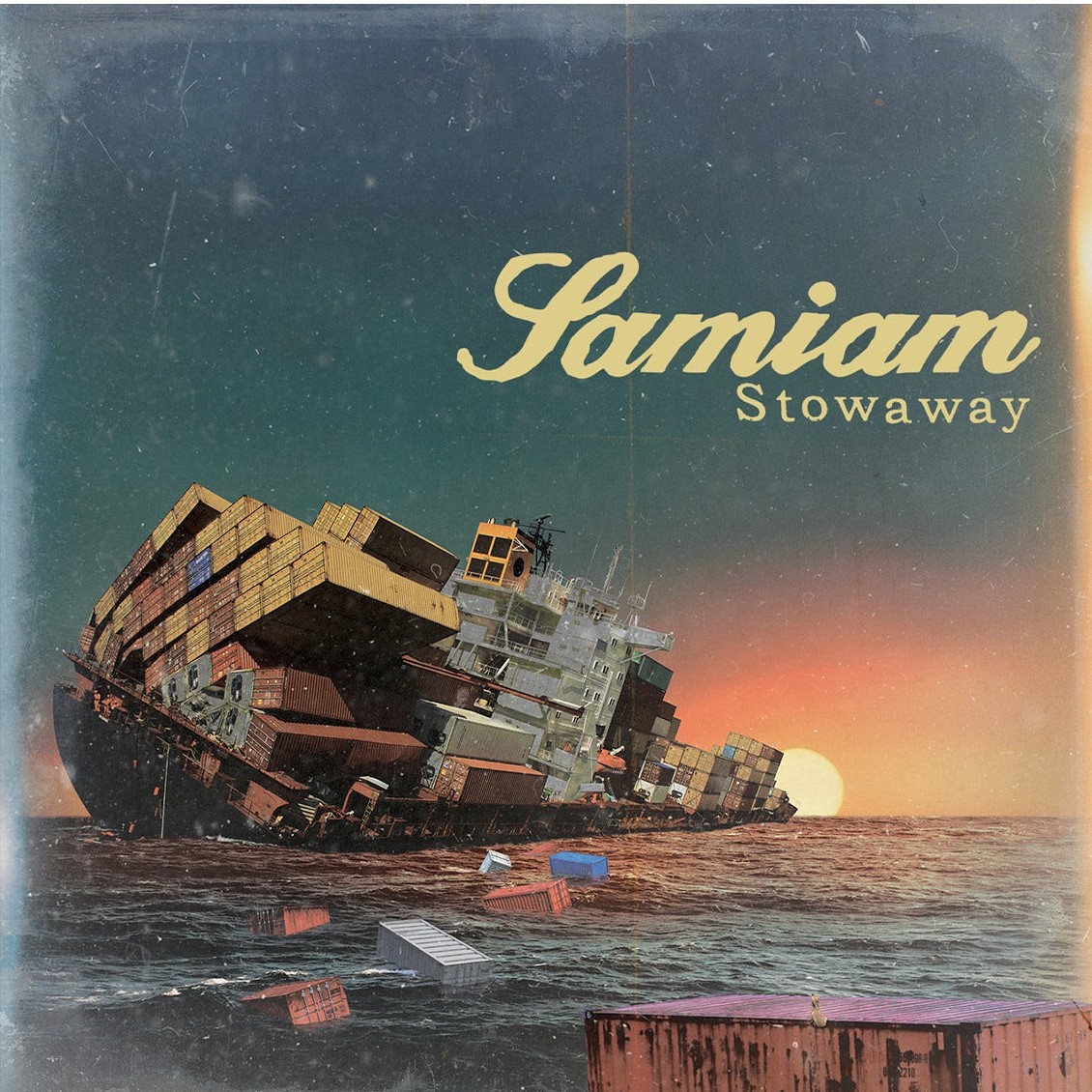
Samiam – Stowaway (review)

“Don’t call it a comeback. Call it an evolution, a rebirth, a continuation after twelve years of absence.”

So said the review of this album on Punktastic. I’d rather call it a resurgence. Strange band, Samiam. They formed in 1988 with their first couple of albums being released on indie label New Red Archives. Then, after a single album on Atlantic (1994’s Clumsy), they signed to Hopeless, home of the disenfranchised. Stowaway, their first on Pure Noise Records, is the California quintet’s first album since 2011’s Trip. That’s 12 long years. Where have you been, guys? I don’t think they ever officially broke up, they’ve toured intermittently, sometimes with some big artists (Green Day and Blink 182 included), but they’ve hardly been prolific. I didn’t think they even had a website, but evidently they do.

It requires something akin to a perfect storm for a band to become successful, especially given the fractured state of the music industry, and momentum is a key factor. Sadly, Samiam just never seemed to have any. They had everything else; songs, an identity, a following, talent, but they can’t seem to keep it together long enough to build up a head of steam. They are a bit like that old friend you have that spontaneously shows up every couple of years. You have a great night, then they go back underground and you don’t see them again for ages.

Anyway, here we are. If I had to describe the Samiam sound I’d go for a mash up between Smashing Pumpkins, Alkaline Trio, Deftones and maybe a touch of the Wonder Years. On Stowaway they race out of the blocks with Lake Speed, which segways neatly into lead single Chrystalized. All layered vocals, power chords, and soaring choruses, this is just about as perfect a track as you’ll ever hear. Listen to it. Just listen to it!

The pace doesn’t let up for Lights Out, Little Hustler, Shoulda Stayed and Shut Down. Samiam are at their best when they are being melodic, treading the thin line between thrashing about and staring at their shoes. Their music often has a kid of wistful, nostalgic feel, similar to latter-era Bouncing Souls, and it takes a couple of tracks before you remember how good this band were. Or are. A highlight for me is Monterey Canyon which is apparently about being an octopus, but don’t let that put you off. The second half of the album dips slightly but comes roaring back with Something, one of those that sticks in your head for days after a single listen. Guitarist Sean Kennerly said of the track: “The light perkiness of the music is belied by the heavy subject matter – searching for meaning and reason inside of everyday actions.”

Stowaway is closed out with the mid-tempo title track, which also happens to be the longest song on the record by some margin (though its still only 4:12). This just feels like an important album, one that I will probably forget about for a year, then rediscover one night and curse myself out for not paying it more attention to it. I only ever listen to MP3 and flac files these days but bizarrely, this album was practically crying out to be played on vinyl. Go on, treat yourself. I only hope we don’t have to wait another 12 years for a follow up.

Stowaway is out now on Pure Noise Records.


So Long Astoria @ Twenty!

“My favourite thing to do was run away.”

– Richard Hell

I can’t remember how I first discovered The Ataris, though it was probably through their cover of Boys of Summer, which was on heavy rotation on MTV at the time. I loved the original, but the cover was spiky, energetic, and had a harder edge. This was at the height of my pop punk phase, so I decided to take a punt and buy the album. That meant a trip to HMV in Cardiff, which was where you had to go to get anything cool if you lived in the south Wales valleys twenty years ago. That, or Spillers Records, which is still there and now the oldest independent record store in the world.

Kind of like weed, So Long Astoria was my gateway album, and for the next couple of years I feverishly set about collecting everything the Ataris had ever put out. I still do, though they’ve lapsed into a funk over the past few years and apart from the odd single, live recording and demo, haven’t released anything new since 2007, though they’ve been threatening a new album for a couple of years now. They’ve never been the most settled outfit, with lots of label and line-up changes, the only constant being singer/songwriter/guitarist Kris Roe.

So Long Astoria, which like all the best albums, is a snapshot in time. Whenever I play it, I am magically transported back to the summer of 2003. It was a special time. My first book had just come out to modest success, I’d left my factory job, which I’d held for almost a decade, and was on the verge of moving to Southampton to study journalism at uni. I’d been writing diligently for eight or nine years by that point, and the hard work was finally beginning to pay dividends. I was also trying to extricate myself from a very bruising three-year relationship that had turned decidedly toxic. In short, my whole world had been turned on its head. Whereas before, it was a world of drudgery and stifled dreams, now it was one of unlimited possibilities.

Looking back, that period felt a lot like a dream. Mostly, I felt a sense of freedom I’d never experienced before. I also felt lucky, and proud that my hard work was finally paying off. I was also slightly terrified. Change is always terrifying, especially when everything changes at the same time. It seemed like every day I had to make potentially life-changing decisions, and I was afraid of fucking things up. There was excitement for my new life, and a duty to navigate my ship responsibly, but there was also a yearning for the past, where my existence was more structured and conventional. I’d spent most of my life trying to break out of a box and when I finally managed it, I had no idea what to do next.

The group of songs on So Long Astoria all fit a certain mould. They are full of optimism, yet many are also tinged with sorrow or regret. It’s an album of new beginnings and second chances. It’s looking forward, but glancing behind with a plaintive, wistful gaze. That fits with the overall context of the album’s release, as it was the band’s major label debut (for Columbia Records) after spending their early career on smaller labels like Kung Fu and Fat Wreck Chords. The mood is encapsulated in the title, a reference to the classic eighties flick The Goonies which is set in a place called Astoria. Roe has said the album’s overall theme was inspired by the book Go Now by Richard Hell (who was a member of several notable punk bands including the Neon Boys, Television and The Heartbreakers with Johnny Thunders) which alluded to the concept that memories are better than life itself. “I wanted this record to portray, that life is only as good as the memories we make,” Roe later explained, echoing the lyrics in the title track that kicks off the album.

The theme of escaping small town life and somehow making it big is carried onto the next song, Takeoffs and Landings, which is about the dissolution of a relationship and probably my favourite cut on the album. That and many other songs like Summer of ’79 and All you Can Ever Learn is What You already Know maintain the tempo and call to mind vintage Bouncing Souls or Sum 41. But they aren’t all spiky pop punk rockers. There is depth here, too. My Reply is about a hospitalized fan close to death and Unopened Letter to the World is an ode to American poet Emily Dickinson.

One of the key tracks is first single In this Diary, which was released on 11 February 2003 and later featured in teen heist comedy The Perfect Score. The below verse is pretty typical of the lyrical content:

I guess when it comes down to it
Being grown up isn’t half as fun as growing up
These are the best days of our lives
The only thing that matters is just following your heart
And eventually you’ll finally get it right

Some versions have a selection of bonus tracks on the end of the standard 13-track release. The pick of these for me is a remake of I Won’t Spend Another Night Alone, a song from the album Blue skies, Broken Hearts… Next 12 Exits, but A Beautiful Mistake, which came out as a b-side in some territories, and the cover of Rock n’ Roll High School by the Ramones are also worth checking out.

So Long Astoria was released on 4 March 2003 and was certified gold in America, selling over 700,000 copies. It sold 33,000 in its first week, debuting at number 24 on the Billboard 200. and charted at a slightly less impressive number 92 in the UK. I was hoping we’d get one of those deluxe 16-disc boxed set reissues, but it doesn’t look like that’s going to happen. It wouldn’t really be necessary as the demos and live recordings from the era are available on the band’s Bandcamp page. After all this time, the album’s impact remains undimmed, especially among pop punk aficionados. The album was included at number 25 on Rock Sound’s 51 Most Essential Pop Punk Albums of All Time list. They later ranked it at number 97 on the list of best albums in their lifetime, and as recently as 2017 it was voted number 30 in Kerrang! Magazine’s list of Greatest Pop Punk Albums of all Time, the entry saying:

“While his powers have waned, Kris Roe’s skill with three chords and the truth was once second to virtually no-one. The Ataris’ So Long, Astoria is solid-gold evidence of that fact while their cover of Don Henley’s Boys Of Summer remains as good as (dare we say, even better than) the original.”

They are not wrong. Of all the album’s I have ever listened to, So Long Astoria is one I cherish most, and probably always will. If you’ve never heard it, go treat yourself.


Ryan Adams – Nebraska (album review)

Ryan ‘Not Bryan’ Adams has covered Bruce Springsteen‘s muted masterpiece Nebraska in its entirety. That came as a bit of a surprise. Not that it should. He has form in this area, having also issued song-for-song covers of both Taylor Swift’s 1989 album (2015) and Bob Dylan’s Blood on the Tracks (2022). Adams is nothing if not resourceful. After being cancelled and then (sort of) uncancelled when charges of sexual misconduct against him were dropped after an FBI investigation, Nebraska was his sixth album of 2022, and two of them were doubles. That’s some effort. Even more admirable is the fact that he made it free to download. That at least injects some integrity into the project and suggests he did it out of genuine respect rather than as a quick cash grab, and God knows he could do with the money. His output hasn’t always been consistent, veering wildly from the stone cold classic Rock n Roll (2003) to the unchained weirdness of his sci-fi metal concept album Orion, but he’s one of those artists you have to admire, if nothing else for his unwillingness to do things by the book.

Anyway, let me try to focus on the subject at hand. Nebraska. The original was recorded at home on a 4-track by a burned out Boss in early 1982. They were intended as demos for the E Street band, then riding the crest of a wave after the soaring success of The River album and tour, to work up as their next project, but were eventually released more or less as is. As Wikipedia says, “the songs on Nebraska deal with ordinary, down-on-their-luck blue-collar characters who face a challenge or a turning point in their lives. The songs also address the subject of outsiders, criminals and mass murderers with little hope for the future—or no future at all.”

If that sounds depressing, that’s because it is. Music critic William Ruhlmann called it “one of the most challenging albums ever released by a major star on a major record label” and the release was seen by many Springsteen fans as a reaction to the generally sunny, positive vibes running through the majority of previous album The River. There’s no Sherry Darling or Ramrod here, though I’ve always thought Stolen Car and The Price You Pay could easily be transplanted onto Nebraska. That’s a conversation for another day.

It isn’t just the cover. The running order on Adams’ version mirrors the original too, so the first thing we here is the title track, a first-person narrative sung from the perspective of Charles Starkweather, who went on a killing spree with his teenage girlfriend Caril Ann Fugate in 1958. The story goes that Springsteen was inspired to write it afters seeing the biopic Badlands, starring Martin Sheen and Sissy Spacek. In fact, he liked the movie so much he’d already nicked the title and used it for a song on his seminal Darkness on the Edge of Town album. Most long-time Boss fans name either that or Born to Run as his career-defining album. Me, I’m in the former camp. Adams makes a good fist of it, and drops in a few subtle chord changes which lift the track slightly above the low-fi original. The album in general benefits from a proper production process. Granted, the original has charm and character in spades, but there’s no escaping the fact that it sounds like the set of demos it was intended to be.

Adams echoes Springsteen’s stark, often plaintive vocal delivery much of the time, but many of the tracks have been revamped or, ahem, reinterpreted to some extent. This can be quite a shock to the system on first listen, but I don’t hate it. What would be the point in faithfully adhering to every chord and nuance? If nothing else, the expression on offer gives this release a sense of identity and makes it its own animal. Johnny 99, one of my favourite tracks on the original release, is given a new breath of life as a rockabilly anthem, while Open All Night receives the opposite treatment, slowed right down with mournful vocal tones layered over the customary acoustic and harmonica accompaniment. The length is extended accordingly from 02:58 to 04:25. My Father’s House handled in a similar way, this version being longer and slower, the composition seemingly given more space to breathe.

State Trooper is perhaps given the most drastic reconstruction, this new version built upon a grungy, driving electric guitar riff which at its climax descends into an orgy of manic howls, distortion and angry reverb reminiscent of the Jesus and Mary Chain. If you only listen to one track off this album, let this be the one. Reason to Believe is another track that has been completely reworked. Gone is that spiky three-chord acoustic riff that carries the original, to be replaced by a minimalist piano. This track is perhaps best suited to RA’s vocal range, and it’s a fitting way to close out the album. Parts of the album reminds me of the way Springsteen himself reinterpreted the tracks on his 2005 Devils & Dust solo tour where he turned multi-instrumentalist and innovator. Strangely, Adams’ version of Atlantic City, one of the tracks you would think offers itself up for reinterpretation more than any other (Springsteen himself has played numerous different versions in concert, more recently with a full band backing), largely adhere to the original.

Critics might call this self-indulgent but I quite like it. Covering a classic song takes balls, covering an entire classic album takes bigger ones, and its difficult to see what Adams can really gain from it. It seems to me he’s on a hiding to nothing. It’s getting something of a mixed response, but I kinda like it. Besides, it’s free, and it’s not often you get something for nothing. Nebraska is available to download free.

Grab it quick while you can.


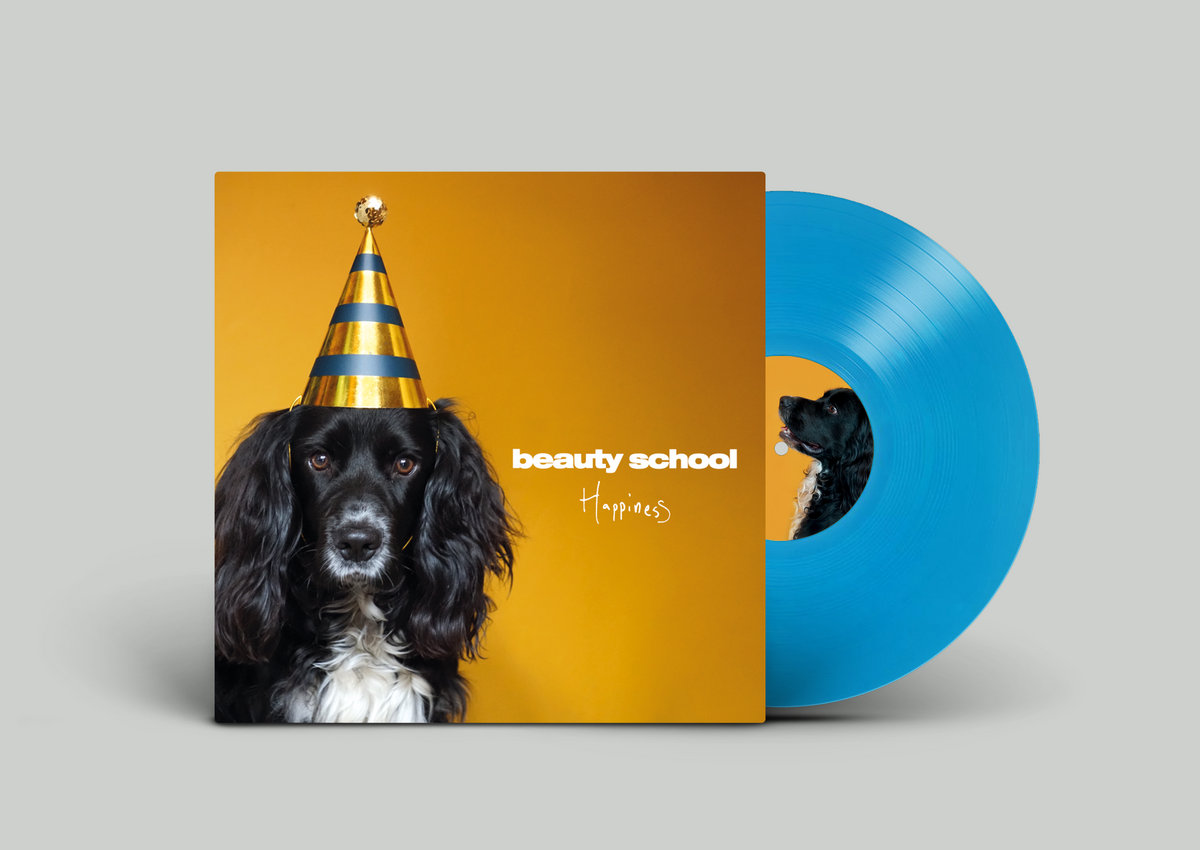
Beauty School – Happiness (album review)

I caught this Leeds-based 5-piece supporting The Dangerous Summer at Thekla in Bristol recently, and was so impressed I went back to my hotel and downloaded their album that very evening. Beer may have been involved. What I ended up with was this 13-track stonker, their first after a clutch of singles, on the recently re-launched label Slam Dunk Records, which is run by the same people behind the festival so you might have a decent idea of what to expect.

A consistent, solid album of authentic-sounding emo anthems infused with pop punk hooks, Happiness, produced by James Kenosha (Dinosaur Pile-Up / Pulled Apart by Horses) is bookended by two of its strongest tracks, the riotous feelgood sing-along Take it Slow and the soaring, slightly slower-paced and more reflective Junior, a song about paying your dues.

The singles Oak, Nightwalker, Drysocket and Pawn Shop Jewels, a mid-tempo rocker showcasing singer Joe Cabrera’s impressive vocal range, also stand out. It might not have spent 16 weeks at number one (does that even mean anything any more) but almost 45k plays on YouTube alone ina few short months is nothing to be sneezed at. Whoever chose those singles chose well, each one offering a pure, perfect slice of modern alt rock that wouldn’t sound out of place on any playlist. The musicianship is precise and textured, the twin guitars and wistful lyrics, more often than not referencing growing up and working class life, sit proudly atop a surging rhythm section. Also of note is Monster, the jaunty chorus striking a tense duality with the dark, intensely personal subject matter. It’s expertly done, and guaranteed to send a shiver down your spine. Cool video, too.

The members of Beauty School have been fixtures on the northern rock scene for years, playing in different bands with varying levels of success. Consequently, this is the sound of a band with direction, who have done their time, put in the graft, and now have a clear idea about their sound and what they want to achieve as a band. Best of all, they clearly don’t take themselves too seriously, which is refreshing to see. As the marketing bumph says: “Beauty School have interpreted sounds from pop-punk, alt-rock, and indie-rock and forged a record that finds a home in each genre without feeling out of place or over-indulgent.”

The influences aren’t hard to spot. The Wonder Years, Neck Deep, and A Day to Remember shine through, and there are tuneful touches of Funeral for a Friend, Feeder and even vintage New Found Glory. Hearing this album for the first time was like listening to the result of all my favourite bands getting together for an impromptu jamming session. I’ve spunked money on many worse things when drunk.

I wasn’t the only one who was impressed, Beauty School have been making a lot of friends recently and picked up a bit of airplay. Beauty School are out on tour again this month supporting The Wonder Years, another great band. See you down the front.


Where’s my F***ing Sweatband?

I really like Dire Straits. You could say they are my guilty pleasure. I don’t think they are as respected or as widely known these days as they probably should be. Most of the people who do know them are left with that eighties caricature image of Mark Knopfler in the Money for Nothing video, wearing a jacket with shoulder pads and the sleeves rolled up, and a fucking neon headband. That’s more a representation of the eighties as a whole than the band.

The first DS record I ever bought was Brothers in Arms, which I sought out largely as a consequence of the copious amounts of TV advertising that went into promoting it. I mean, when it was £5.99 in Woolworths (which would probably amount to around £15 in ‘today’s money.’) you fucking knew about it. I only found out years later that most of the songs had been horribly edited down to fit on the vinyl.

brothers-in-arms-album-cover

Released over 35 years ago, Brothers in Arms, their fourth and most successful studio album, was a bit of a double-edged sword for Dire Straits. It was their Born in the USA. Actually, a lot of parallels can be drawn between Dire Straits (essentially singer/songwriter/lead guitarist Mark Knopfler with some other blokes) and The Boss, not least that both have working class roots and traded off the same kind of ‘everyman’ image. Of the two, Knopfler is without the doubt the better guitarist. He has a distinctive style, as do many of the greats from Jimmy Page to Brian May, in this case developed through ‘picking’ at the strings with his fingertips rather than using a plectrum. You wouldn’t even have to know the song to know who was playing guitar on it. On the flipside, The Boss is by far the better showman and probably the more consistent (and prolific) songwriter.

Another common denominator is that in effect, the Born in the USA and Brothers in Arms juggernauts alienated huge swathes of the respective artists’ existing audiences and attracted the ‘pop crowd.’ In the eighties, much like today, the Pop Crowd brought money, but no loyalty. They weren’t going to stick around. You’d be lucky to keep them interested for two albums, after that they’ll be into Fergal Sharkey or the Blow Monkeys for six months. The vast majority of bands don’t even get that two albums worth of grace.

It’s not enough to have talent and great songs. To attract the Pop Crowd and plug into the mainstream you need something else, some X Factor. In the case of Dire Straits, Brothers in Arms arrived within the eye of a perfect storm. It was released just as ground-breaking new tech was emerging in the form of CDs and CGI graphics, and MTV was just taking off. It soon became one of the bestselling albums of the era.

Dire Straits ended up paying a price for that success. By the time grunge hit a few years later they were typecast as a bunch of try-hard dad rockers and became a virtual laughing stock. Grunge, well, mostly Nirvana who spearheaded the whole thing, had a seismic effect on rock and metal. It almost killed off hair metal on its own, like a nuclear blast. Overnight, bands like Poison, Ratt, Cinderella, Motley Crue, Warrant, and approximately seven million others, all became irrelevant and then turned into shocked-looking parodies of themselves as they were reduced to playing 250-capacity rock clubs again instead of 20,000-capacity arenas they’d been used to. Def Leppard tried to fit in by recording Slang, for fuck’s sake. It was ugly.

Most of the artists who were left retreated into themselves. To use Springsteen as a yardstick again, he fired the E Street Band and released the limp one-two punch of Human Touch and the only-marginally better Lucky Town on the same day, just to try to stay relevant, and in 1991 Dire Straits put out On Every Street, their last studio offering. It’s not a bad album, just a bit tired-sounding in places. At best it was comfy and warm, at worst vapid and unrewarding. It was the sound of Dire Straits desperately trying to tread that middle ground between being true to themselves and pleasing their new legion of fans. The result was a big long sigh. Afterwards, the band fell into live archive releases and odd compilation territory and Mark Knopfler went solo.

Bloated and overlong, On Every Street was made for the CD market and it may be no accident that my top two Dire Straits studio albums, 1980’s Making Movies and 1982’s Love Over Gold would both fit on a single CD with room to spare. Although for the most part typically restrained (only Industrial Disease, Expresso Love and Solid Rock attempt to lift the mood a bit), those albums are focused and precise, a lot of the music dark and brooding yet filled with restrained passion. The musicianship is exemplary. I must have played those albums thousands of times. Earlier albums 1978’s self-titled and the following year’s Communique both had their moments, there were just fewer of them. Probably my favourite DS track of all time is Telegraph Road. At over 14-minutes long, it’s a stroke of genius. It takes a lot to keep me interested in anything for that long. I’ve had shorter relationships. I prefer the version found on Alchemy Live. I love the narrative, and how the song builds from little more than an understated whimper to a furious scream. Those power chords.

Alchemy, recorded at the Hammersmith Odeon in 1983 on the Love Over Gold tour, is pretty much the perfect live album if you can overlook the weak opening. Once Upon a time in the West to open a show when you have ready-made firecrackers like Tunnel of Love in your repertoire? Really?

Dire Straits are the consummate live band. But more the kind of band you’d like to see in a smoky club, or at a push, a theatre. They were a bit lost in those stadiums. the bigger the venue, the bigger the entourage and when you have a touring band numbering in double figures, it all gets a bit dramatic. If you’re interested, and you should be, there are also a few excellent bootleg recordings floating around. Koln ’79 is recommended (notable because they play Sultans of Swing twice having fucked the first one up), as is On Location – Live in Wiesbaden 1981 and Live in Sydney 1985. Recorded on the Brothers in Arms tour, that one is worth seeking out if only to hear the band wowing audiences at their commercial peak. For a while there, nowhere was safe from the Knopfler shoulder pads and sweatband.

500full-mark-knopfler

If you enjoyed reading this, you might also enjoy my recent tribute to London Calling or one of my several Springsteen posts.  I’ve also written about my personal musical odyssey and various other related shit.


The Dangerous Summer – All That is Left of the Blue Sky EP (Review)

It’s been a difficult year for most of us. In fact, 2020 has been a total fucking washout. It’s been a time of change and upheaval, uncertainty and angst, and with their sweeping melodies and emotive lyrics The Dangerous Summer make the perfect soundtrack to it all.

Earlier this year, they left Hopeless Records when their contract expired and, despite being offered new terms, took the opportunity to turn officially ‘indie’. As lead singer and lyricist AJ Perdomo explains, “It got to a point where I was getting all of these calls and having these conversations and I just felt miserable. I hate talking about this sort of shit. This is what makes me fucking hate music. So out of anger I just said, ‘Let’s release this stuff ourselves. Screw all this shit’. Then we can go at our pace, release things whenever we want and do whatever the fuck we want. I just didn’t want to be owned any more.”

You can read my review of their last album for Hopeless, Mother Nature, here. The Dangerous Summer’s first independent release was the soaring single, Fuck them All, which sounds as if it might be a not-so-subtle message to the music industry as a whole. These lyrics speak for themselves.

Fuck them all
They want me like a light bulb
Blurred out with the sun
Swept under the rug again
Am I insane?
I think this is my moment
Yeah, nothing’s standing here in my way

Fuck them All kicks off this six-track EP in style before things are brought down a notch, a touch prematurely you could argue, for the piano-based slow-burner Come Down. Latest single I’m Alive follows, which sounds less like a departure and more like a cut from the aforementioned Mother Nature album. That’s not a criticism, by the way. As much as you have to admire any artist having the courage to branch out, try new things and develop their sound, all this has to be anchored in something tangible, solid and relatable. There has to be a thread of familiarity running through anybody’s body of work to tie it all together. Take Prince, for example. He would jump from hip-hop to dance to r n’ b to glam rock, often over the space of six tracks on the same album, but everything he did was still unmistakably Prince. That’s very much the case with TDS, who over the years have matured and fleshed out their signature sound while remaining true to their roots, flying their own flag and resisting the temptation to chase fashions or fads.

LA in a Cop Car keeps things ticking over in much the same vein, calling to mind classic Yellowcard or Something Corporate. TDS often get tagged with the pop-punk label, which isn’t a bad thing, but not entirely warranted. They may have the energy and vitality so prevalent in pop-punk, especially during it’s early-naughties climax, but for me that’s where the similarities end. This music is much more textured, and the lyrics have more of a soul-searching emo vibe. The EP is rounded off with Come Along, another epic-sounding chunk of polished power pop featuring Aaron Gillespie who now plays drums with TDS, having made his name with Paramore and Underoath.

In summary, All That is Left of the Blue Sky is bold and fearless, the sound of a band finding their feet after finally being set free. The songwriting and musicianship is, as always, immaculate, and the layered production adds a sheen. TDS are one of the artists eager to capitalize on an ever-evolving music industry and seem very well-placed to do so. They can only move forward from here and I can’t wait to see how it pans out.

You can listen to this modern masterpiece here.


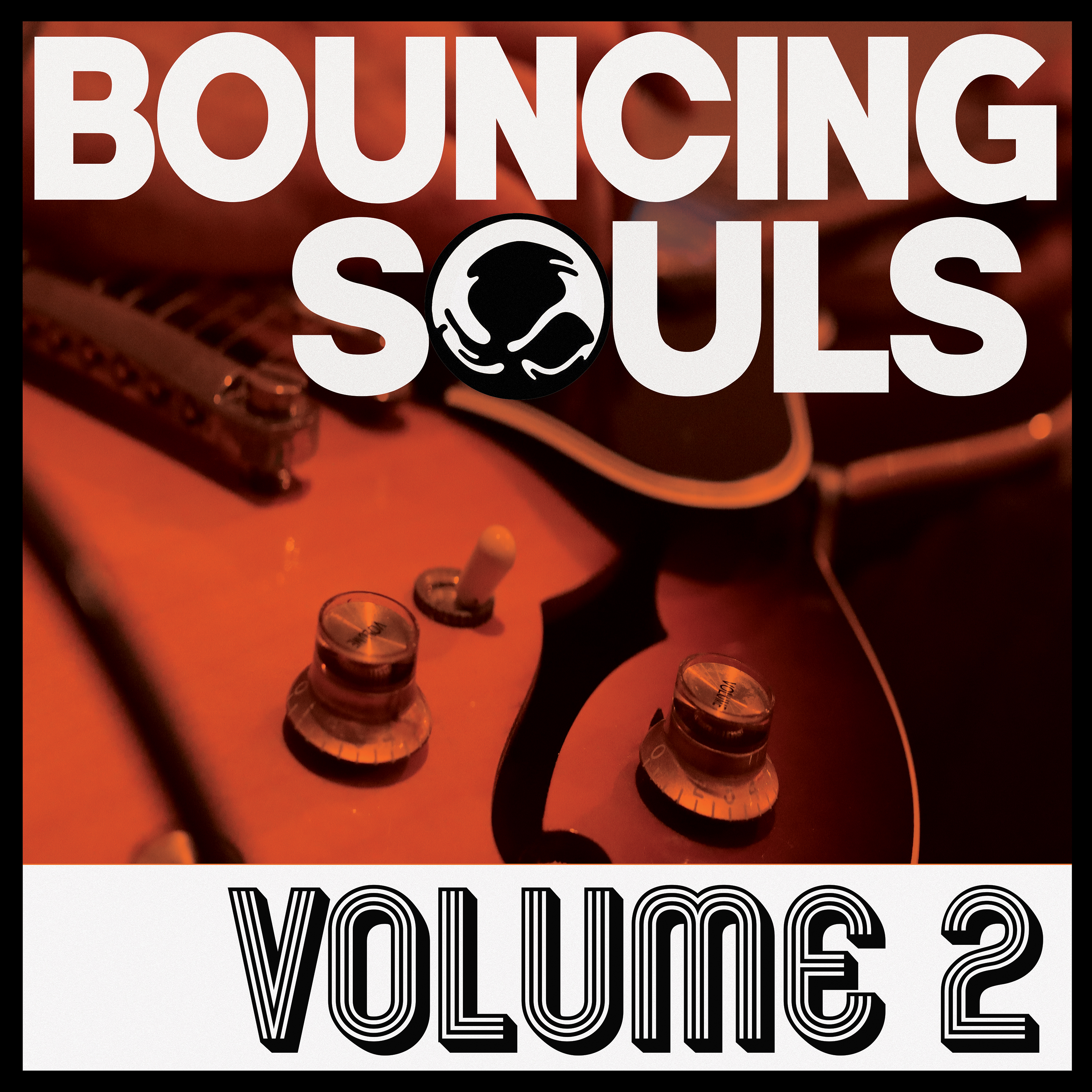
Bouncing Souls – Vol II (review)

One of the few bright spots in this shittest of years is provided by Bouncing Souls, who never disappoint. They may be mellowing slightly as the New Jersey punks advance in years, but the spark is still there. Volume II comes hot on the heels of last year’s stonking Crucial Moments EP, rather than coming hot on the heels of Volume I. In fact, there is no Volume I. There’s a 20th Anniversary Series of EPs which ran to four volumes, but that’s a different thing entirely.

So what do we ave ‘ere, then?

Ten re-imagined and re-recorded classics and one new track, that’s what.

On some level, it does resemble the greatest hits compilation the BS catalogue is lacking in that some of their best songs like Ghosts on the Boardwalk, Kids and Heroes, Simple Man and Hopeless Romantic are included, alongside some deeper cuts like Highway Kings and Say Anything. But as I alluded to before, they may be here, just not as you know them. It seems to be in-vogue now for artists to go back and revisit their back catalogue. While not strictly a fan of the approach, I’m not against it either. Mike Peters of the Alarm does it to great effect.

I think one reason why it’s become so popular, apart from becoming an ideal way to resolve various contract disputes, is the rate at which technology is developing. When some of these tracks were originally recorded they sounded like they’d been bashed out in someone’s garage, which was kinda the point. But now, we have orchestras, drum machines (not as horrible it sounds) and the kind of polished production values that would make Def Leppard jealous making this largely minimalistic set essential listening.

As guitarist Pete Steinkopf said in a recent interview, “We initially wanted to recreate some of the stripped-down vibe of the acoustic sets, but if anything, these versions are much more involved than the original versions. The first day we got to the studio Will said something like ‘we’re not gonna just make an acoustic record, right guys?’ We were like ‘hell no’ and then we were off to the races.”

I must admit, I was a bit wary of hearing the new version of Gone. It’s one of my favourite songs of all time, and I didn’t want my memories tainted by some jazzed-up abomination. Happily, my fears were unfounded. Sure, Gone is the driving riff to be replaced with understated acoustics reminiscent in places, bizarrely enough, of mid-period Cure. Quite a few of these tracks have that feeling, harking back to a much simpler time. Another example is the only new song here, World on Fire, which was released as a single earlier this year and sees the band exploring their lighter, janglier side.

While this may not be a definitive work, or even properly representative of BS as a band, it rounds out their body of work nicely and adds another dimension to some great tunes. If I have one criticism, it’s that they could’ve gone bigger. Volume II only features eleven tracks from a repertoire of hundreds and has a running time of around 36 minutes. But the BS ethos has always been ‘less is more,’ and I guess this paves the way nicely for Volume I.

Volume II is out now on Pure Noise records.


Design a site like this with WordPress.com
Get started